What Gemologists Say About the Quality of lab grown diamond engagement rings
Why Laboratory Grown Diamond Engagement Rings Are the Perfect Option for Eco-Conscious Couples
Lab-grown Diamond involvement rings provide a compelling choice for couples that focus on sustainability. These diamonds use a striking choice to traditional mined stones, substantially reducing ecological damage. They are developed making use of sophisticated strategies that guarantee both high quality and luster. As recognition of moral sourcing expands, several pairs are reevaluating their options. What implications does this shift have for the future of the Diamond market?

The Environmental Impact of Typical Diamond Mining
Although Diamond mining has actually long been celebrated for its attraction and prestige, the ecological repercussions of typical mining techniques are progressively worrying. The extraction of diamonds frequently includes extensive land disruption, resulting in logging and habitat loss for countless varieties. Furthermore, the process takes in substantial quantities of water, which can deplete local sources and negatively influence surrounding communities. Toxic chemicals made use of in mining operations can pollute nearby water sources, better endangering both human populaces and wild animals.
Additionally, the carbon impact related to carrying mined diamonds adds to the total environmental toll. The hefty equipment and equipment required for mining operations contribute greatly to greenhouse gas discharges. As understanding of these concerns grows, numerous consumers are starting to question the sustainability of conventional Diamond sourcing. This change in perspective highlights the urgent requirement for even more eco-friendly alternatives, such as lab-grown diamonds, which promise to decrease the environmental influence while keeping the elegance and worth of Diamond jewelry.
The Refine of Developing Lab-Grown Diamonds
Lab-grown rubies are developed through 2 key approaches: High Stress Heat (HPHT) and Chemical Vapor Deposition (CVD) The HPHT process resembles the all-natural problems under which rubies create in the Earth's mantle. It includes subjecting carbon to extreme pressure and temperature level, causing the crystallization of carbon atoms right into Diamond frameworks. In contrast, the CVD method permits the development of rubies in a regulated atmosphere. This method uses a gas mix containing carbon, which is energized to form plasma, making it possible for carbon atoms to deposit onto a substrate and expand layer by layer right into Diamond crystals.
Both approaches generate diamonds that are chemically and literally similar to natural diamonds - lab grown diamond engagement rings. The option of technique usually relies on the desired characteristics and dimension of the final treasure. This innovative technique to Diamond development not only supplies a sustainable alternative but additionally enables better openness in the sourcing of materials
Quality and Sparkle of Lab-Grown Diamonds
While numerous might think that lab-grown diamonds vary in quality from their natural counterparts, they in fact exhibit comparable luster and aesthetic charm. Lab-grown diamonds are developed using sophisticated technology that duplicates the all-natural conditions under which rubies develop, causing stones that possess identical physical and chemical residential properties. These diamonds achieve the very same outstanding quality and shade grading as extracted diamonds, making them equivalent to the nude eye.
In regards to luster, lab-grown rubies frequently display superior light performance because of their precision-cut elements. The strenuous quality assurance throughout manufacturing guarantees that these rubies meet high standards, improving their aesthetic attraction. In addition, they are available in a selection of sizes and shapes, permitting pairs to locate the excellent ring to match their individual design. Inevitably, lab-grown rubies use an elegant mix of beauty and high quality, making them an enticing selection for involvement rings.
Ethical Factors To Consider in the Diamond Sector
As consumers end up being progressively familiar with the ethical ramifications surrounding Diamond sourcing, the conversation around the Diamond industry has actually shifted substantially. Problems concerning conflict diamonds, frequently referred to as "blood diamonds," have actually motivated ask for greater openness and liability in mining methods. These diamonds are extracted in battle zones and sold to finance armed dispute, increasing severe ethical questions for customers. In addition, the ecological effect of conventional Diamond mining has actually come under examination, with problems such as environment devastation and water contamination frequently look at more info highlighted.
In feedback, several have turned to lab-grown rubies as a much more ethical choice. These stones are created in regulated atmospheres, removing the content dangers connected with mining. Consequently, lab-grown rubies appeal to customers seeking to make liable choices that straighten with their values. The growing demand for ethical techniques remains to improve the Diamond industry, promoting lasting and humane sourcing techniques.
Cost-Effectiveness of Lab-Grown Diamonds
Lab-grown diamonds supply a compelling choice for consumers looking for affordable involvement rings - lab grown diamond engagement rings. Priced substantially less than their natural counterparts, they provide exceptional worth for money without giving up top quality or look. This affordability makes lab-grown diamonds an attractive option for budget-conscious couples
Lower Rate Point
Lots of pairs are discovering that going with lab-grown Diamond interaction rings can considerably lower their general expenses without giving up top quality or charm. These diamonds typically cost 30% to 50% much less than their extracted counterparts, making them an eye-catching choice for budget-conscious consumers. The rate advantage emerges from reduced production expenses and a much more reliable supply chain, which removes the expenditures associated with mining. Consequently, pairs can invest in larger stones or even more intricate settings, enhancing the overall aesthetic of their rings. This cost not just enables for an extra customized choice but also lines up with the values of eco-conscious pairs that focus on sustainability while continuing to be economically wise. Lab-grown rubies supply an ideal blend of beauty and economic climate.
Worth for Money
The cost-effectiveness of lab-grown rubies extends past their preliminary cost, providing exceptional worth for cash. Unlike natural diamonds, lab-grown alternatives can be you could check here up to 40% more economical while maintaining the very same physical and chemical homes. This affordability permits couples to purchase larger or higher-quality stones without exceeding their spending plans. Moreover, the resale value of lab-grown rubies is slowly improving, making them a much more practical choice for future monetary factors to consider. Additionally, lab-grown rubies often include reduced ecological and ethical prices, providing pairs with comfort. By selecting lab-grown rubies, eco-conscious couples not only save cash however additionally contribute to sustainable methods, enhancing their general worth suggestion in the fashion jewelry market.
Modification Options for Lab-Grown Engagement Rings
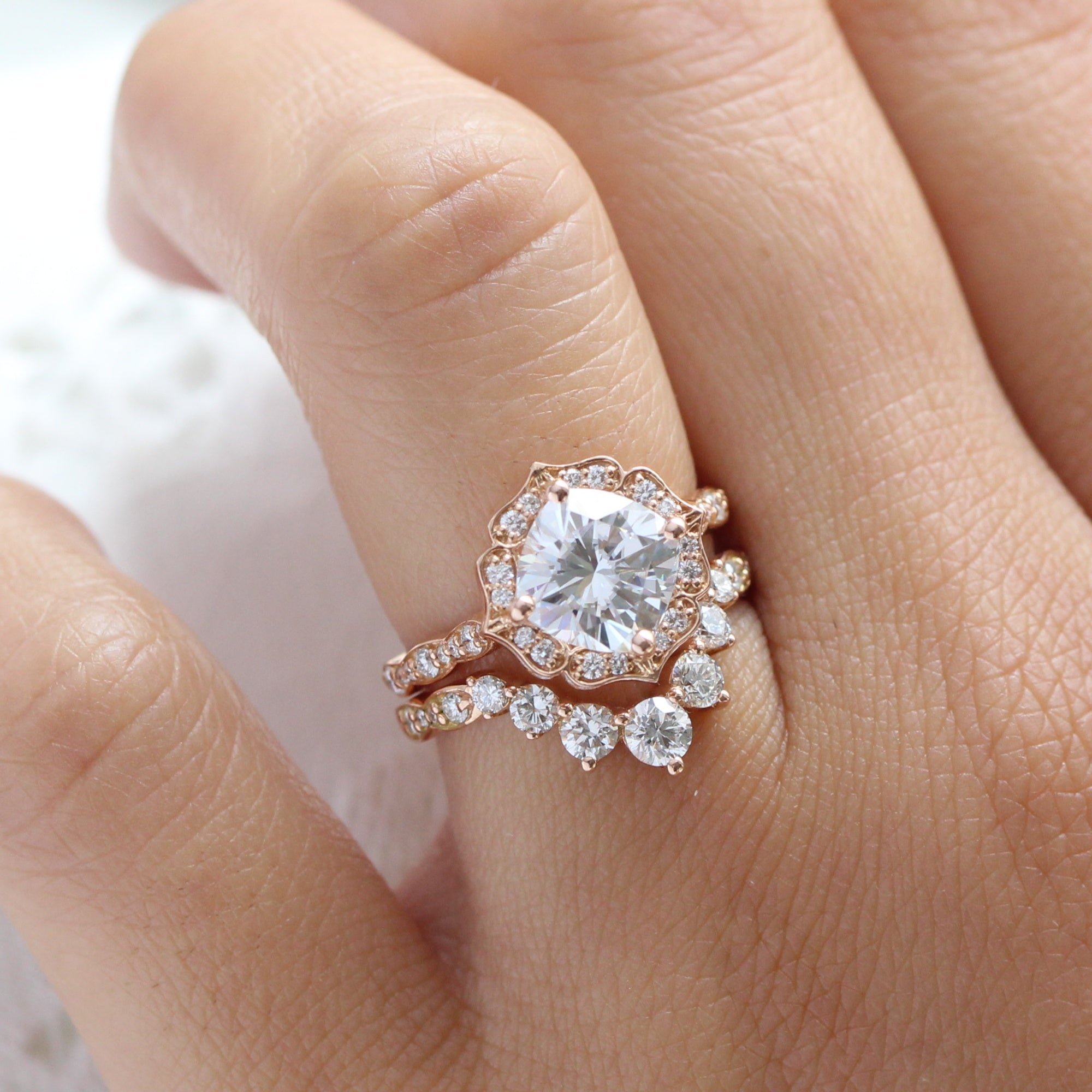
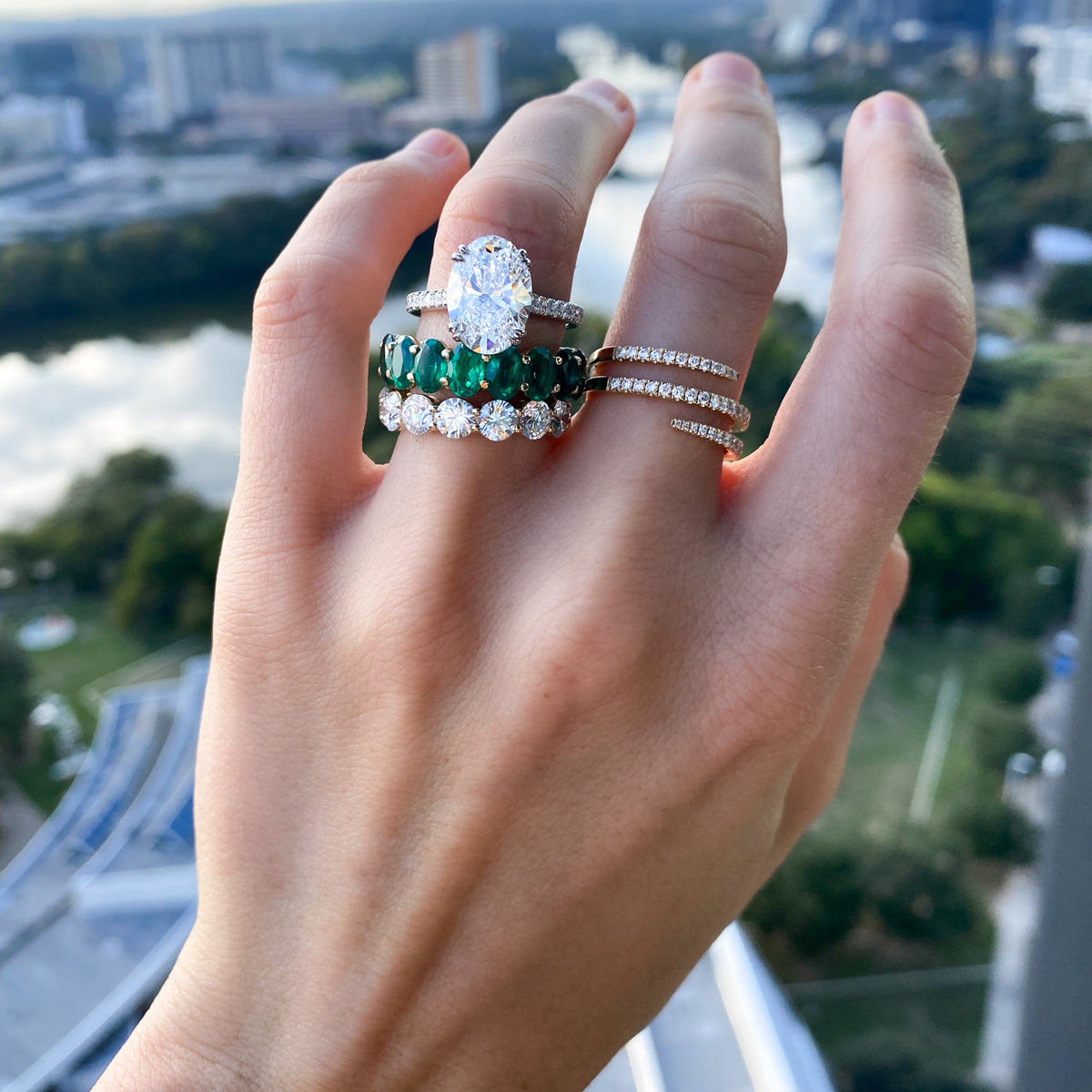
Exactly how can pairs guarantee their interaction ring mirrors their unique love tale? Customization options for lab-grown Diamond involvement rings provide an optimal remedy. Couples can select from numerous Diamond shapes, including round, princess, or oval, permitting them to select a style that resonates with their personal visual.
In addition, they can choose the setting-- be it solitaire, halo, or vintage-inspired-- making certain the ring complements the Diamond's radiance. Steel options, such as white gold, yellow gold, or climbed gold, better improve customization, accommodating specific preferences.
Couples can include purposeful inscriptions, including a sentimental touch that symbolizes their bond. With these extensive personalization alternatives, lab-grown Diamond interaction rings not only embody a couple's love however likewise mirror their worths, making them an excellent selection for eco-conscious partnerships. Ultimately, these rings become a real representation of their unique trip with each other.
Frequently Asked Inquiries
Just How Do Lab-Grown Diamonds Compare to Natural Diamonds in Worth?
Lab-grown rubies typically set you back 20-40% less than all-natural rubies, using similar top quality and look. Their lower price factor makes them an appealing choice, particularly for budget-conscious customers seeking lasting and moral alternatives in precious jewelry.
Are Lab-Grown Diamonds Much More Resilient Than All-natural Diamonds?
Lab-grown diamonds have the same physical and chemical residential or commercial properties as natural diamonds, consisting of toughness. Both types rack up a best 10 on the Mohs range, making sure that lab-grown rubies are similarly resistant to scraping and damages.
Can Lab-Grown Diamonds Be Resold Conveniently?
Lab-grown diamonds can be re-selled, but their market demand differs compared to all-natural rubies. While some buyers value their ethical origins, others might like natural choices, possibly affecting resale worth and convenience of transaction.
What Are the Care Directions for Lab-Grown Diamonds?
Lab-grown diamonds need normal like keep their brilliance. Cleaning up with moderate soap and cozy water, utilizing a soft brush, and staying clear of harsh chemicals will aid preserve their sparkle and stability for several years to find.
Exist Any Kind Of Certifications for Lab-Grown Diamonds?
Lab-grown diamonds can be certified by trustworthy organizations such as the Gemological Institute of America (GIA) and the International Gemological Institute (IGI) These certifications guarantee adherence, authenticity, and top quality to industry requirements for lab-created gemstones.
Both methods produce diamonds that are chemically and literally similar to all-natural rubies. Lab-grown diamonds are produced making use of advanced technology that replicates the all-natural problems under which rubies create, resulting in rocks that have identical physical and chemical properties. Lab-grown rubies commonly cost 20-40% less than all-natural rubies, supplying comparable top quality and look. Lab-grown diamonds have the very same physical and chemical buildings as all-natural diamonds, consisting of longevity. Lab-grown rubies can be re-selled, however their market demand varies contrasted to natural rubies.